
1-805-484-2992
Quotes - Engineering - SalesCIP Solution Heating
Bringing Cleaning Solutions to Temperature
A CIP heater has to bring aggressive chemistry to setpoint quickly and then be cleaned itself. It is one of the few duties where the exchanger is both the tool and the thing being cleaned.
CIP circuits heat caustic, acid, sanitizer and rinse water and hold them at setpoint while solution recirculates through the equipment being cleaned. The heater sits in that circuit and sees every chemical the plant uses, hot, repeatedly.
Ramp rate is the commercial driver. Once solution is at setpoint the standing load is small. What matters is how fast the tank gets there, because that time is production time lost. CIP heaters are sized for heat-up rate rather than hold duty.
Gasket compound is the usual failure. Hot caustic and hot acid alternating is more aggressive than most product streams. EPDM handles caustic and hot water well; the wrong compound fails quickly and expensively.
Chlorinated sanitizers change the conversation. Chlorides at temperature attack stainless as well as gaskets. Where a chlorinated sanitizer is in the cycle, tell us, because it may move the plate material as well as the gasket.
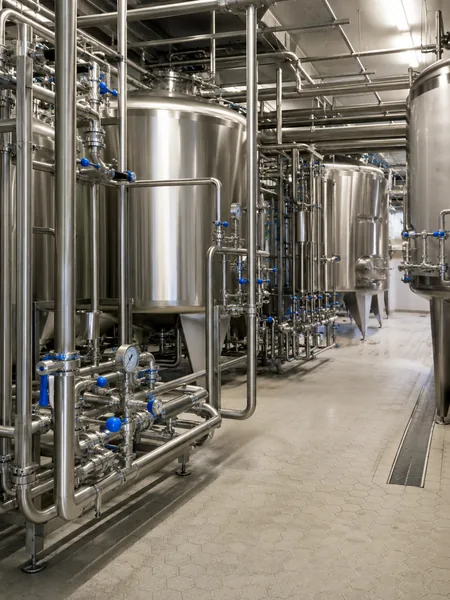
An exchanger that heats caustic, acid, sanitizer and rinse water in a clean-in-place circuit, sized mainly for how fast the solution reaches setpoint and built to survive alternating hot chemistry.
Questions from the plant floor
Steam gives a fast ramp in a small unit, which suits a heater that spends most of its life waiting for the next tank. Hot water is gentler on gaskets and easier to control at low load, and it fits better where the plant already has a hot water loop. Either works, and the choice usually follows the utility already at the CIP skid.
Route the circuit so the solution being heated also passes through the heater's own solution side, which cleans it every cycle. The heating side needs attention only if the medium is dirty, so condensate quality and hot water treatment matter. Inspect the plates on the same schedule as the rest of the skid rather than waiting for the ramp to slow.
There is no fixed interval, because life depends on temperature, chemistry and how many cycles a day the circuit runs. Watch for gaskets that feel hard, cracked or swollen when the frame is opened, and for weeping at the edges between inspections. A spare set on the shelf turns a gasket failure in to a planned shift rather than a lost day.
Give the tank volume, its starting temperature, the setpoint for each solution and the minutes you allow to reach it. Add the circulation flow and whether the heater sees the full circuit return or only a tank loop, because that changes the inlet temperature through the ramp. We size the heater from those figures, then check that it can still hold setpoint at the lowest load.
Related
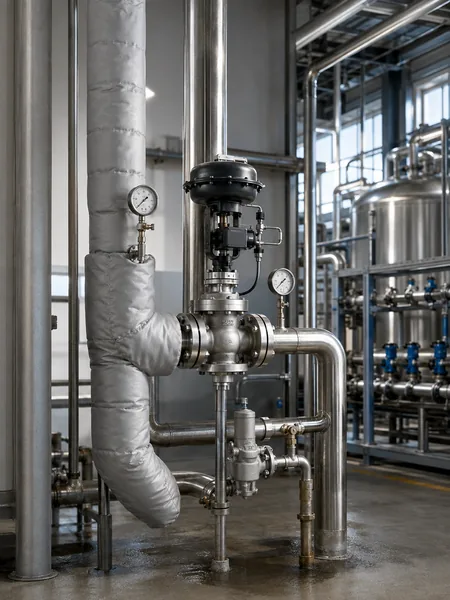
Steam-to-Water Heating
Steam on one side, water on the other, and a temperature difference large enough that the exchanger selection...
+ Learn More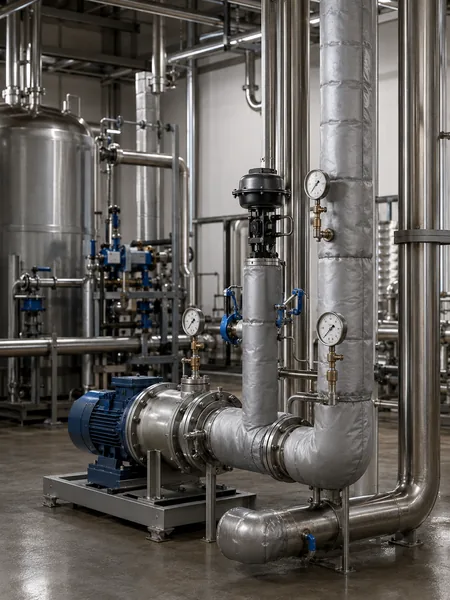
Hot Water & Glycol
Closed loop, liquid to liquid, modest temperature difference. The design is undemanding until glycol enters...
+ Learn More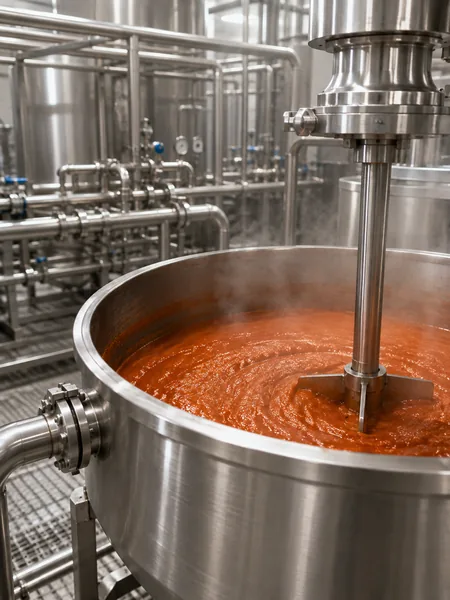
Product & Ingredient Heating
Heating the product itself is a different problem from heating a utility. The stream is valuable, often...
+ Learn More