
1-805-484-2992
Quotes - Engineering - SalesPharmaceutical & Biotech
Qualifiable Heat Transfer
Pharmaceutical duty is thermally undemanding and administratively exacting. The equipment has to be qualifiable, and a unit that meets its duty without documentation cannot be used.
Pharmaceutical and biotech plants use heat transfer for media preparation, buffer heating and cooling, jacket service on reactors and fermenters, and utility loops. The loads are usually modest; the requirements around them are not.
Documentation is part of the purchase. Material certificates, surface finish records and test documentation follow the equipment through qualification. Raise what your protocols need at quotation rather than after fabrication.
Containment. Where a utility fluid must never reach product or purified water, double-wall plate construction puts a vented gap in the leak path so a breach appears outside the unit.
Jackets and vessels. Temp-Plate provides jacket and immersion surface on reactors and vessels, fully welded with no gaskets, in the alloys and finishes the process requires.

Typical Specification
- Typical duty: Media prep, buffer heating and cooling, jacket service
- Containment: Double-wall plate construction
- Vessel surface: Temp-Plate jacket and immersion assemblies
- Materials: 316 stainless; higher alloys available
- Finishes: Polished and passivated available
- Gaskets: Compound selected against process and cleaning chemistry
- Documentation: Material and test records supplied
- Cleaning: CIP and SIP capable arrangements
- Utility loops: Chilled water, glycol, hot water, clean steam service
- Chilled water: Falling film chiller for low-temperature process water
Agree the documentation package before the unit is built
- Material certificates and test records
- Double-wall where utility meets product
- Finish specified surface by surface
What to settle before quoting
Material certificates for wetted parts, compliance statements for the gasket compound, surface finish records, pressure test records and drawings that match your P&ID. List exactly what your IQ and OQ protocols call for. Anything added after fabrication means rework or records rebuilt from memory, and auditors can tell the difference.
Surface by surface, not as one requirement for the whole unit. Product contact plates may need a polished and passivated finish, while the utility side rarely does, and polishing it only adds cost. Quote your finish standard and roughness requirement for each side, and state whether passivation records are part of the package.
It can, with the right compound and a cycle the gaskets were selected for. SIP pushes elastomers to the top of their temperature range and every heat-up and cool-down ages them a little more. Give us the SIP temperature, hold time and how often it runs, so gasket life can be estimated and replacement planned into maintenence.
When you want a defined flow path across the wall and the option to zone the jacket. Temp-Plate passages carry the medium in a controlled pattern, and seperate zones let a part-filled vessel heat only the wetted section. It also clamps onto existing vessels. Send vessel dimensions, operating fill range and the heating or cooling medium.
Any fluid that would contaminate product without anyone noticing: glycol, treated cooling water, or steam condensate carrying boiler chemicals. Purified water against purified water may not need it. Your risk assessment makes the call, and it has to happen before quoting, since double-wall construction changes the unit's size and price.
If your protocol requires full drainage, say so at quotation, because port location and mounting orientation decide whether it is achievable. A pack with bottom ports on the product side drains well. One piped for convenience may hold liquid that becomes a finding later. Tell us how drainage will be verified.
Related
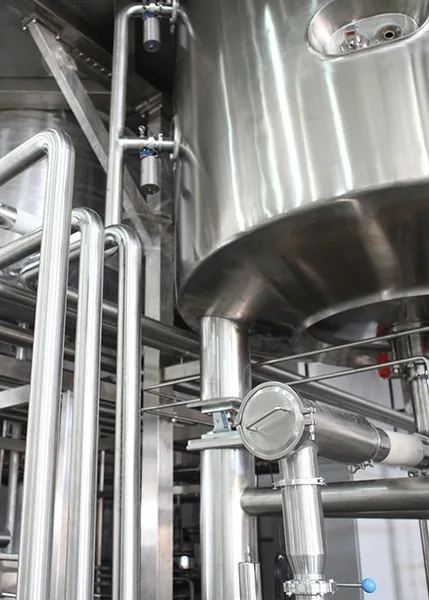
Dairy Processing
Milk, cream, whey and cultured products all foul heat transfer surfaces in the same way, and all of them are...
+ Learn More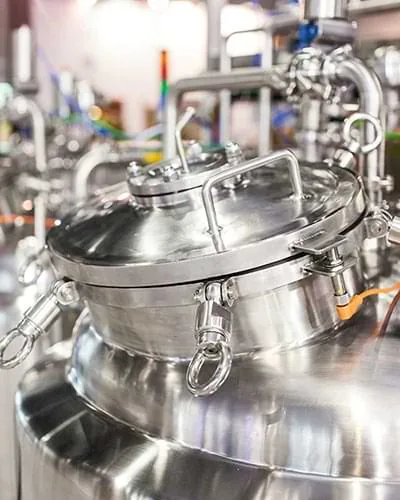
Brewing & Beverage
Wort cooling is the duty every brewery notices, but the cold liquor supply behind it is usually what limits...
+ Learn More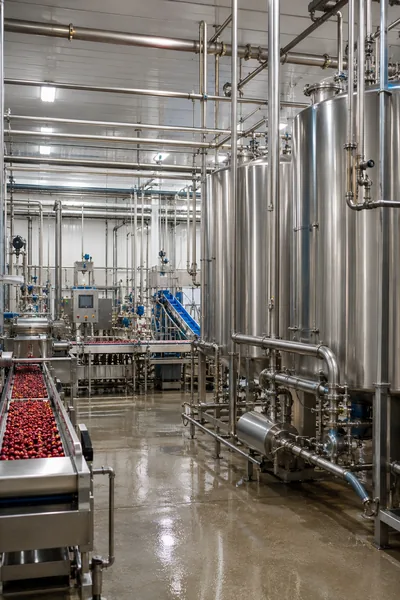
Food Processing
Food streams are the hardest sanitary duty because so many of them are viscous, particulate-bearing or both...
+ Learn More