
1-805-484-2992
Quotes - Engineering - SalesSteam-to-Water Heating
Plant Steam Into Process Water
Steam on one side, water on the other, and a temperature difference large enough that the exchanger selection is mostly about controlling it rather than achieving it.
Steam-to-water is the highest volume heating duty in industry. In a plate exchanger it is straightforward thermally and demanding hydraulically, because steam occupies an enormous specific volume compared with the condensate it becomes.
Pressure drop governs. Steam entering a narrow plate channel accelerates, and pressure drop on the steam side directly lowers saturation temperature, which works against the duty you are trying to achieve. Plate selection and port sizing follow from the allowable drop rather than from the heat balance alone.
Condensate has to leave. A steam-heated plate pack that cannot drain floods progressively and loses surface, and the symptom looks exactly like fouling. Trap sizing and the drain arrangement matter as much as the exchanger.
Control. A modulating steam valve operating far below its range produces unstable outlet temperature. Where the load turns down a long way, that needs designing rather than discovering.
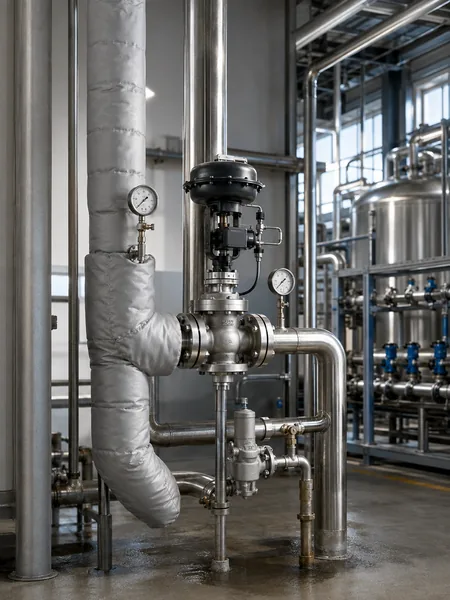
Heating water or another liquid with condensing steam, where the large temperature difference makes the duty easy thermally, and steam side pressure drop, condensate drainage and control set the design.
Getting the duty right
Give the pressure at the exchanger inlet after the control valve, not the boiler or header pressure. The valve takes a share of the drop, and the plate selection has to work with what remains. If you plan to reduce steam pressure for safety or to lower wall temperature, give that figure instead.
Steam side control is the common choice and responds quickly. Condensate side control floods part of the surface to modulate, which runs smoother at low load but responds slowly and needs a pack that tolerates a flooded zone. The right answer depends on how far and how fast the load swings.
The steam valve is working near its seat, where a small movement makes a large change in flow. A plate pack has little thermal mass, so it reacts to that instantly. Two valves in split range, or a smaller valve for low load, usually settles it, and a hot water loop is worth considering if very wide turndown is a normal part of the day.
Draining condensate freely, so it never builds up in the steam line or the lower ports, is most of the answer. Slugs of water carried by steam in to a plate pack strike the ports hard and can damage gaskets. A drip leg ahead of the control valve, a properly sized trap and a vacuum breaker on the steam side handle the rest.
Fit a temperature limit or a fast-closing steam valve, because a plate pack holds very little water and can boil it quickly once flow stops. Interlocking the steam valve to a flow switch on the water side is a simple safeguard. Tell us how the water side is controlled so the protection matches the system.
Related
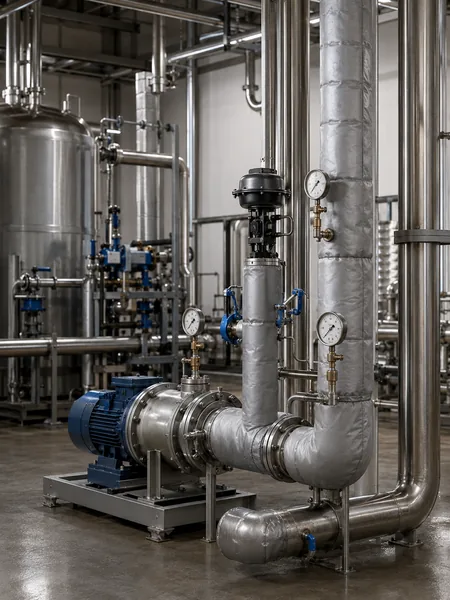
Hot Water & Glycol
Closed loop, liquid to liquid, modest temperature difference. The design is undemanding until glycol enters...
+ Learn More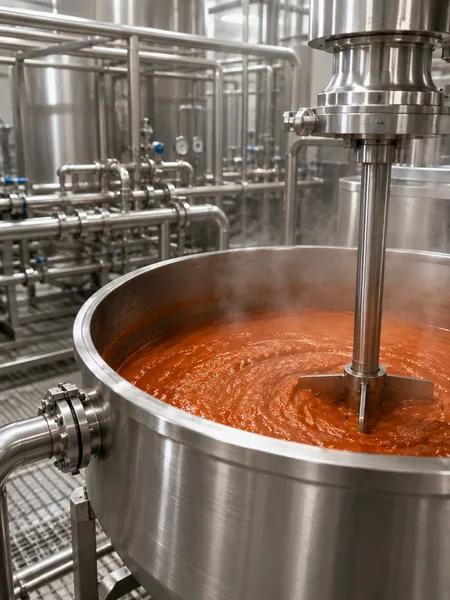
Product & Ingredient Heating
Heating the product itself is a different problem from heating a utility. The stream is valuable, often...
+ Learn More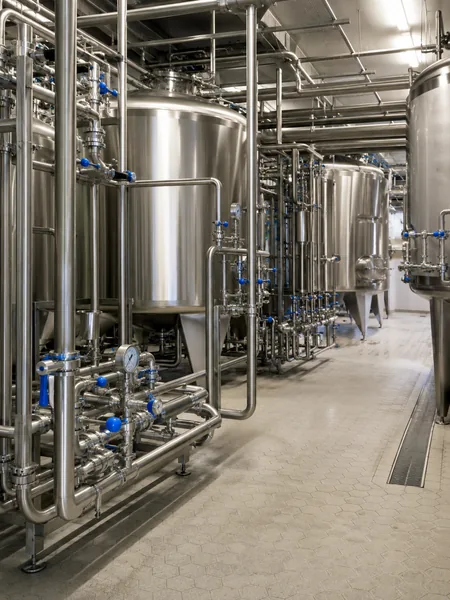
CIP Solution Heating
A CIP heater has to bring aggressive chemistry to setpoint quickly and then be cleaned itself. It is one of...
+ Learn More