
1-805-484-2992
Quotes - Engineering - SalesInflated Plate Drum
Rotating Heat Transfer Surface
An inflated plate drum applies Temp-Plate construction to a cylindrical rotating surface. Medium circulates inside the drum wall while product contacts the outside, either as a film applied to the drum or as material carried through a bath the drum turns in.
Typical duty. Chilling and solidifying molten product for flaking, cooling a film of viscous material, and drying where the drum surface is heated instead of chilled. Chemical, food and specialty product plants all use them.
Why inflated construction. A conventional drum uses internal coils or spray, both of which give uneven surface temperature. Inflated wall construction gives a continuous flow passage right behind the working surface, which produces a far more uniform temperature across the drum face.
What matters in sizing. Drum diameter and width, rotational speed, film thickness, the medium and its temperature, and how product is applied and removed. Doctor blade or knife arrangements for flaking are part of the same conversation.
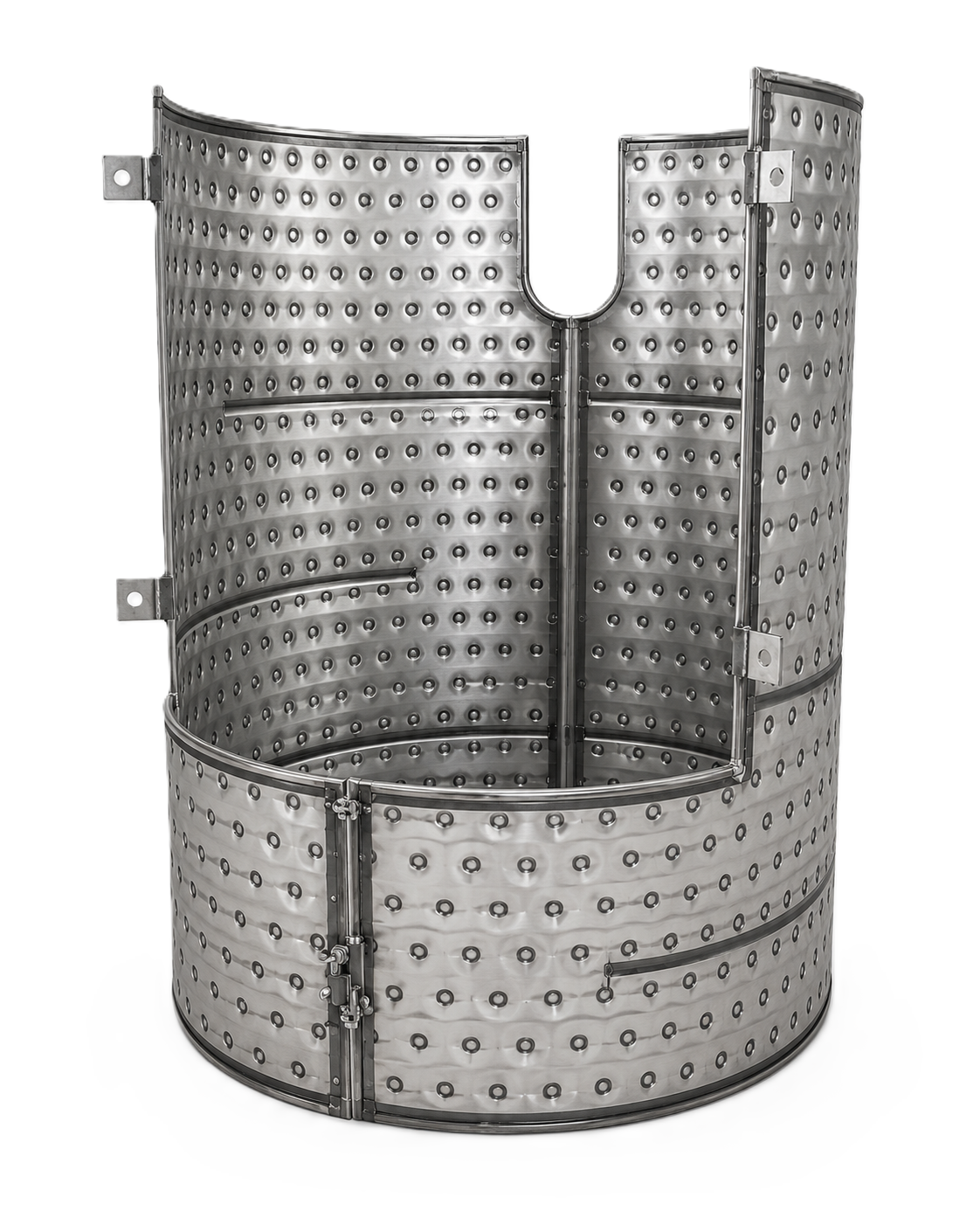
Typical Specification
- Construction: Temp-Plate inflated cylindrical wall
- Rotation: Driven; speed matched to residence time
- Media: Chilled water, glycol, refrigerant, steam, hot water
- Surface temperature: Uniform across the working face
- Materials: 304 and 316 stainless; higher alloys available
- Typical duty: Flaking, chill rolls, solidification, drum drying
- Product application: Dip, spray, nip or applicator roll
- Removal: Doctor blade or knife for solidified product
- Construction type: Fully welded, no gaskets
- Sizing inputs: Diameter, width, speed, film thickness, duty
| PRODUCT | CONSTRUCTION | MATERIALS | SUPPLY |
| Inflated Plate Drum | Mueller factory built | 304 / 316 stainless | Authorized representative |
Inflated Plate Drum
Uniform Surface Temperature Is the Point
On a flaking or chill-roll duty, product quality follows surface temperature uniformity. A cold spot produces thicker flake, a warm spot produces product that will not release from the drum.
Continuous inflated flow passage right behind the working surface is what delivers that uniformity, and it is the main reason inflated construction is preferred over internal coils.
Common FAQs
Chilling and solidifying molten product for flaking, cooling films of viscous material, and drum drying where the surface is heated instead of cooled. Chemical, specialty product and food plants are the usual homes.
Coils give uneven surface temperature, because the wall is only cooled where the coil touches it. Inflated wall construction puts the flow passage continuously behind the working surface, which produces a far more uniform face.
Drum diameter and width if constrained, product properties, the film thickness and rotational speed you need, the medium available and its temperature, and how product is applied and removed.
Related
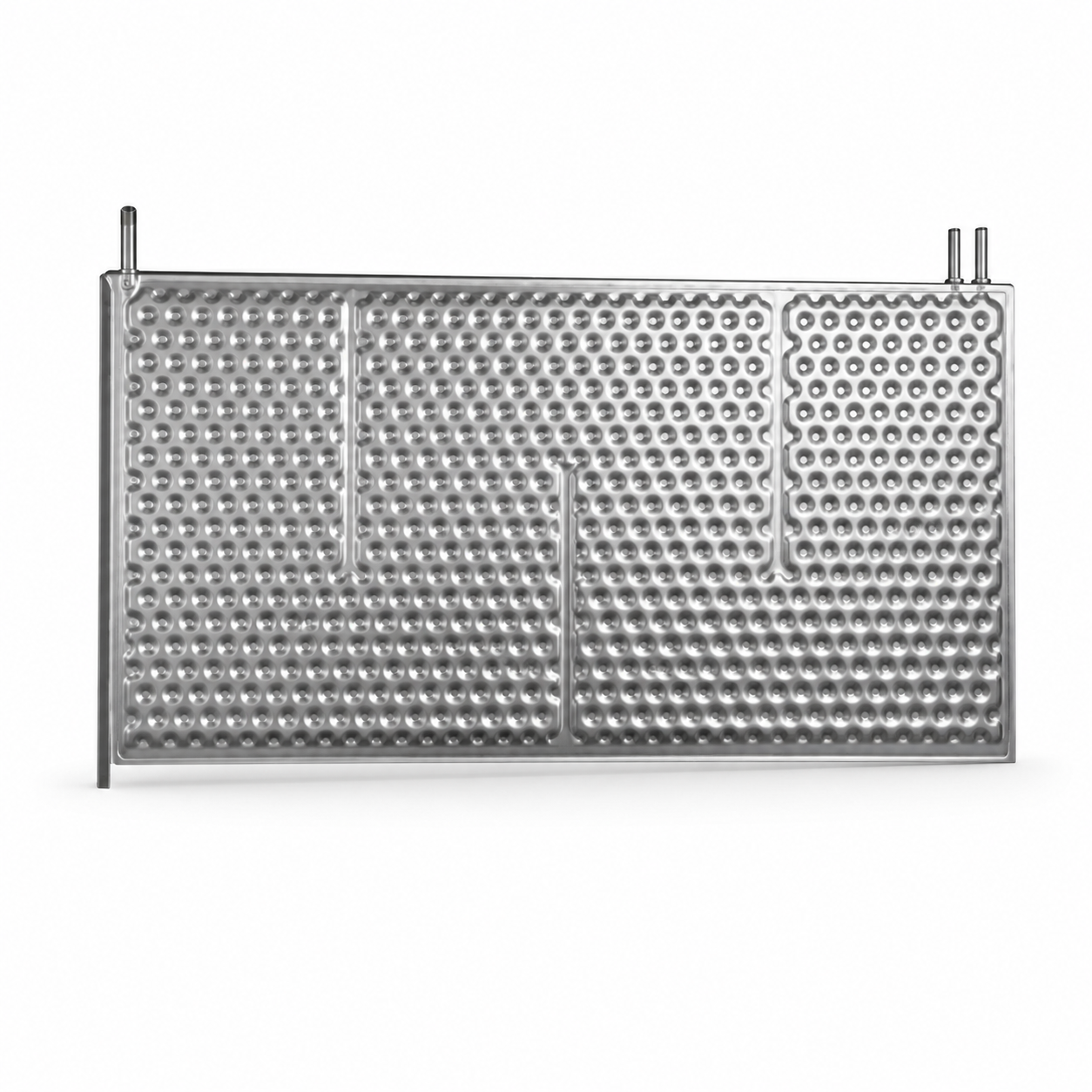
Immersion Assembly
Some fluids cannot be pumped out to an exchanger and back. They are too viscous, too valuable, too abrasive...
+ Learn More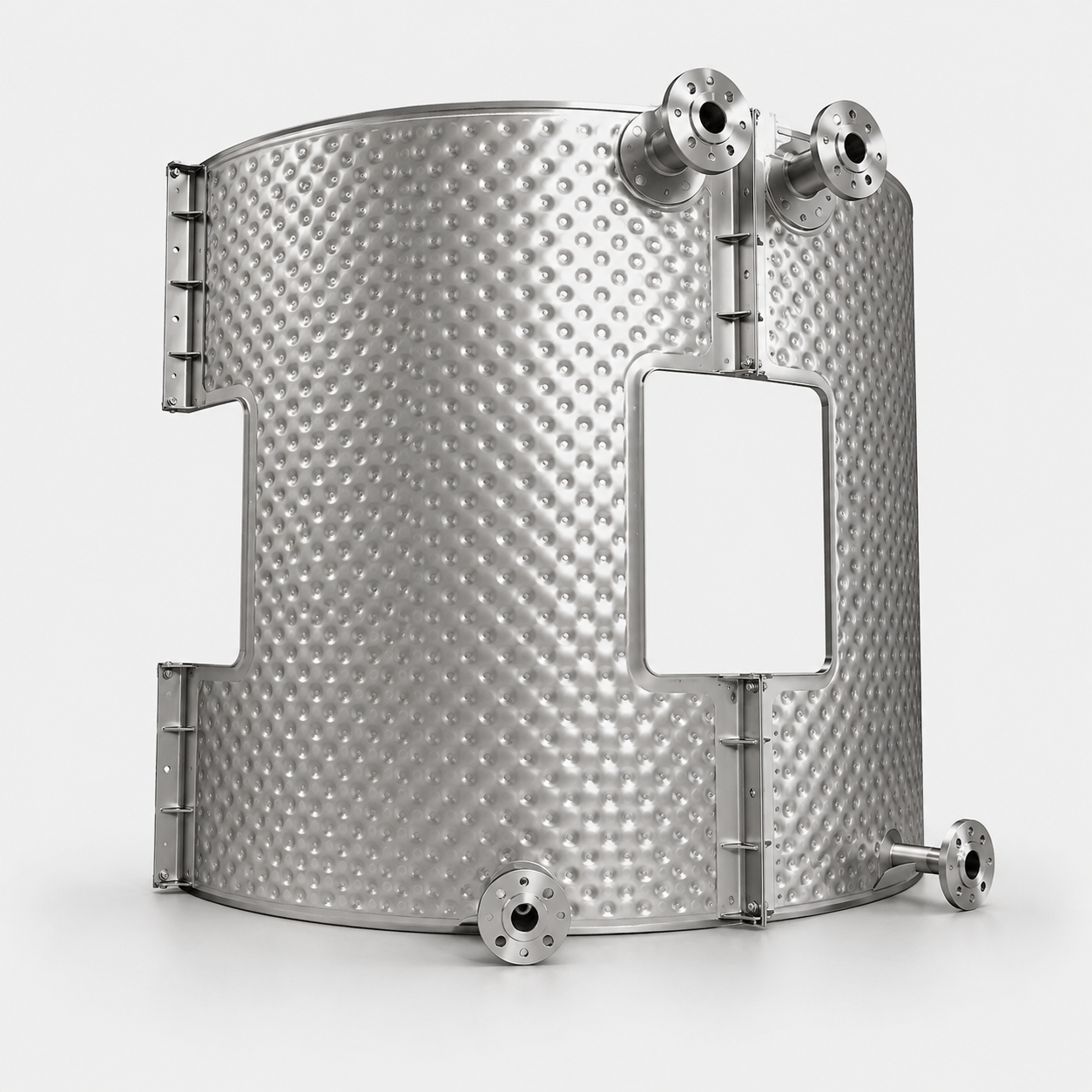
Clamp-On Assembly
If a tank you already own needs heating or cooling it does not have, the usual answer is expensive: replace...
+ Learn More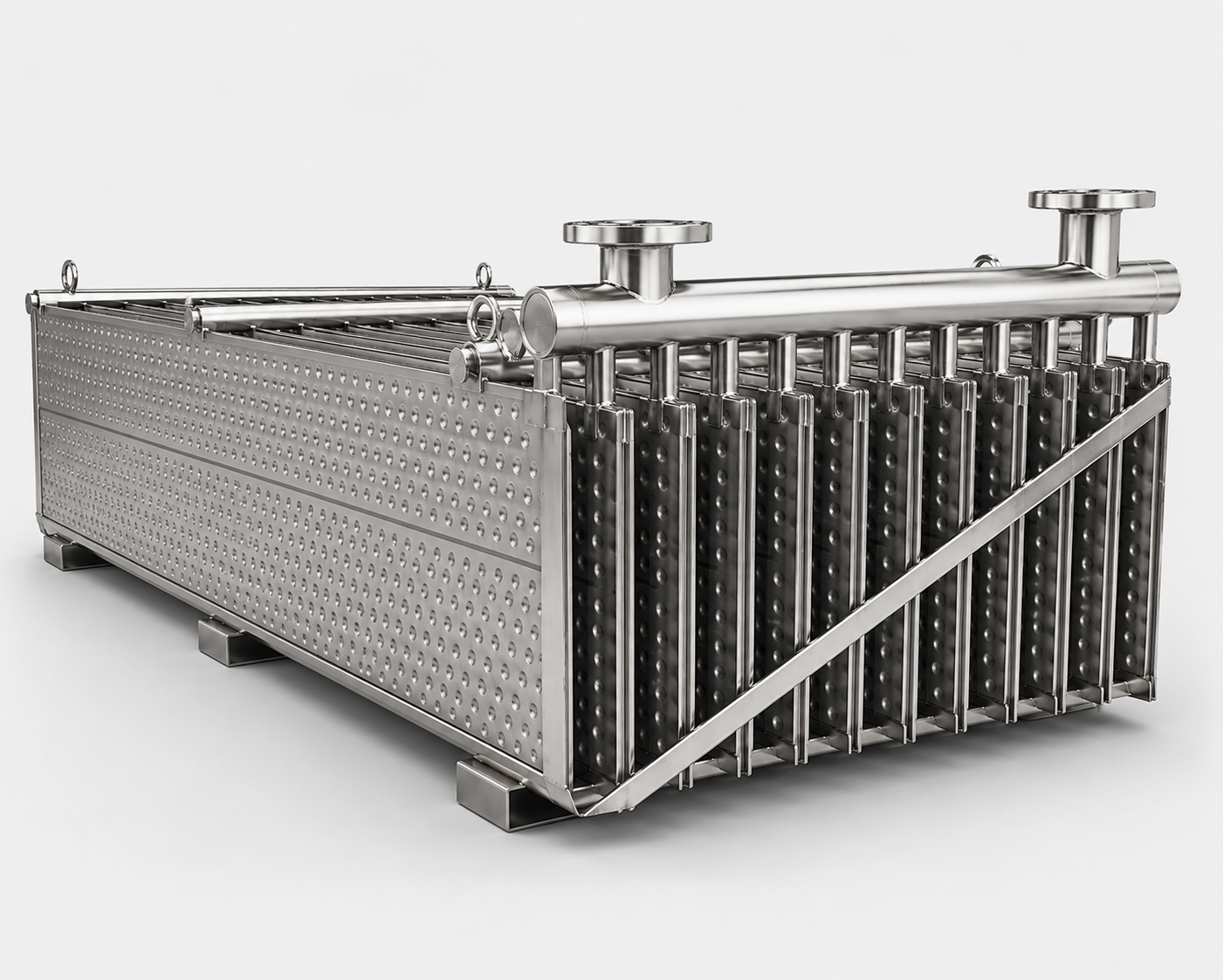
Bank Assembly
A bank is a set of inflated plates hung in parallel with product flowing between them. It gives you very fast...
+ Learn More