
1-805-484-2992
Quotes - Engineering - SalesCold Storage
Continuous Duty and Distribution Facilities
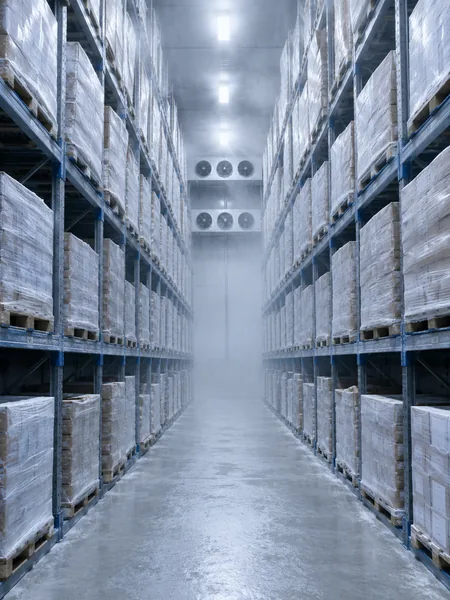
Cold storage and distribution facilities run continuously, which means small efficiency differences compound into large annual numbers and reliability matters more than first cost.
Cold storage facilities use refrigeration heat exchangers as evaporators, condensers and secondary loop interfaces, running essentially without interruption.
Continuous duty rewards efficiency. A close approach that saves a small amount of compressor work each hour becomes a large number over a year of continuous operation.
Reliability over first cost. Downtime in a cold store has immediate consequences for stock. Serviceable construction, spare gaskets on site and a maintenance schedule are worth more than a lower purchase price.
Heat recovery. A facility rejecting heat continuously and buying hot water for washdown and defrost is an obvious recovery candidate, and the numbers are usually straightforward.
Typical Specification
- Operation: Continuous duty
- Efficiency: Small approach savings compound annually
- Construction: Semi-welded for ammonia, brazed or gasketed for halocarbon
- Reliability: Serviceable construction and on-site spares
- Heat recovery: Condenser heat into washdown and defrost water
- Secondary loops: Glycol interfaces to air units
- Materials: Selected against secondary fluid and water chemistry
- Maintenance: Scheduled regasket and inspection
- Monitoring: Approach temperature trended as a fouling indicator
- Expansion: Frames specified with room where growth is expected
Small approach gains add up on continuous duty
- Hold spare gaskets on site
- Trend approach as a fouling warning
- Recover condenser heat for defrost
Common plant questions
Log both inlets and outlets at a repeatable load, calculate the approach, and compare like with like over weeks. A rising approach at steady flow means the surface is fouling, while one that moves with load is just the operating point. Set a trigger value so cleaning lands in a quiet period instead of a heat wave.
It is one of the better uses for it. Freezer floors need gentle heat underneath to stop frost heave, and the temperature required is low enough that condenser heat carries it easily through a glycol loop. A plate exchanger moves that heat in to the subfloor circuit, so tell us the floor area and the loop temperatures.
The water side, almost always. Condenser and tower water bring scale and biological growth, and a glycol loop fouls when its inhibitor runs out. The refrigerant side stays sealed. That pattern is the practical case for semi-welded units on ammonia plants, since the side that needs cleaning is the side that opens.
A cold store runs well below design load for long stretches, at night, over weekends and in cool weather, and a pack sized only for the summer peak then runs with low velocity in its channels. Low velocity costs heat transfer and lets deposits settle. Give us the minimum load as well as the peak, and the selection is checked at both ends so the pack still performs when the store is quiet.
Often, where stock value is high and the plant has no idle hours. Two frames, each able to carry most of the load, let one be opened while the store stays cold. The extra capital is easier to judge against the cost of one spoiled room than against the price of the exchanger alone.
Schedule it for the season with the lowest load, have the full gasket set on site before the frame is opened, and arrange standby capacity or a second unit to carry the duty meanwhile. A regasket done to plan takes a short outage. One done after a leak forces itself onto the calendar.
Related
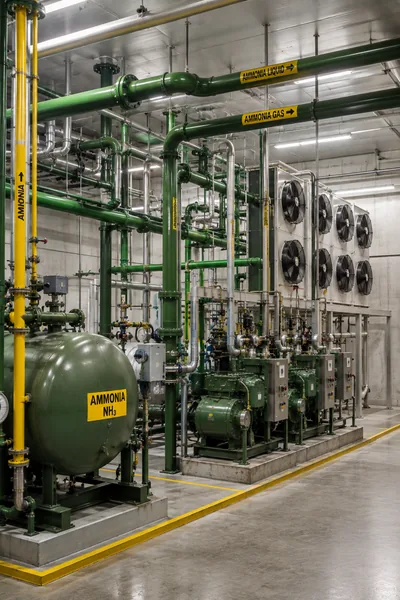
Ammonia Systems
Ammonia is an excellent refrigerant and an aggressive attacker of copper and most elastomers. Every...
+ Learn More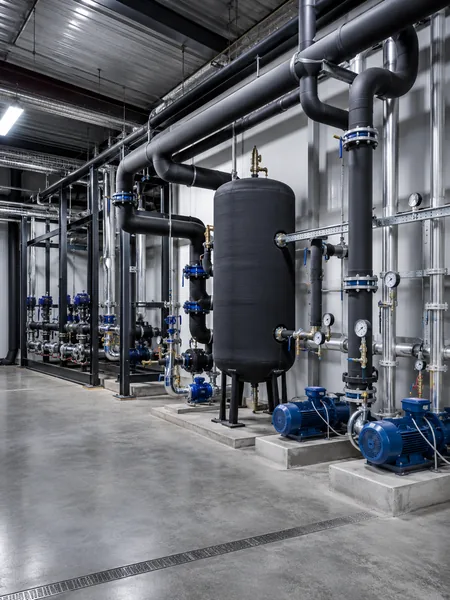
Glycol & Secondary Loops
A secondary loop keeps the refrigerant charge small and confined to the plant room, at the cost of an extra...
+ Learn More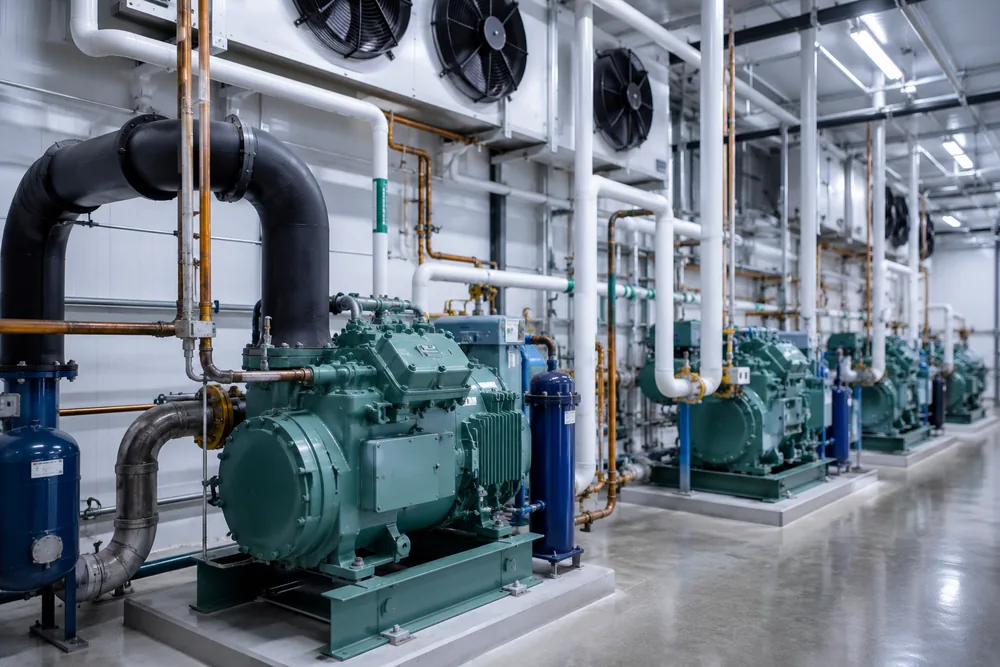
Refrigeration
Ammonia, glycol and secondary loop duty, where refrigerant compatibility drives the construction.
+ Learn More