
1-805-484-2992
Quotes - Engineering - SalesFrames & Hardware
Compression Bolts, Rails and Frames
The frame is the part nobody thinks about until a tie bolt seizes or a carrying bar wears through, at which point the exchanger cannot be opened at all.
Frame hardware wears. Tie bolts corrode and gall, carrying bars wear where plates hang, roller assemblies seize and port linings erode.
Tie bolts. The most commonly replaced frame item. Seized or stretched bolts make the pack impossible to tighten evenly, which causes leaks that look like gasket failures.
Carrying and guide bars. Plates hang and slide on these, and worn bars let the pack sag out of alignment. That misalignment shows up as uneven gasket compression.
Custom frames. Where a unit is beyond economic repair or a competitor's exchanger needs replacing, a custom frame can be built to drop into the existing foundation and pipe run, avoiding concrete and piping modifications.
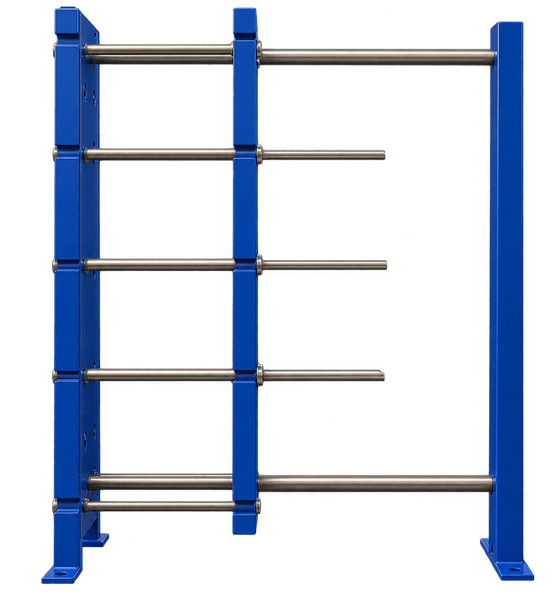
Typical Specification
- Tie bolts: Most commonly replaced frame item
- Carrying bars: Wear where plates hang and slide
- Guide rails: Keep the pack aligned
- Roller assemblies: Ease movement of large plate packs
- Port linings: Protect the frame from erosion and corrosion
- Movable frame: Slides back for pack access
- Custom frames: Drop-in replacement for existing installations
- Symptom: Uneven compression often traces to frame wear
- Identification: By unit serial number
- Inspection: Frame checked at every service
Inspect the frame
Check bolts, bars, rollers and port linings at each opening
Record the wear
Photograph damage with a tape and note where it sits
Send the serial
Nameplate details let us match frame hardware exactly
Fit and retighten
Install new hardware, then close the pack to its dimension
What to send us
The unit serial number covers most of it, since bolt diameter, thread and length are set by the frame. If you are replacing only some bolts, tell us how many and whether the old ones are stretched or galled, because a mix of new and worn bolts makes even tightening harder. Photograph a removed bolt beside a tape where you can.
Photographs of the worn area with a straightedge laid along it, the serial number and a note of how far the plates now hang out of line. Wear usually concentrates where plates hang and slide most often. Tell us whether the plates still slide by hand, because a bar that grips the hangers can also mark the plate hanger notches, and those are worth checking at the same time.
Compare the thread against a new bolt or a thread gauge along the working length. A stretched bolt shows a longer pitch or a visible neck, while galling shows as torn threads and nuts that bind partway. Either condition stops the pack from closing squarely, so replace the affected bolts and look at the nuts and washers too.
Corrosion and washdown water in the bearing are the usual causes, with dried product adding to it on food plants. A seized roller makes the movable frame drag on the carrying bar, which wears the bar and turns opening the pack into a pry bar job. Send the serial number and a photograph of the roller and its mounting so we can match the assembly.
When the fixed or movable frame plate is corroded or eroded at the ports, or when the duty needs more plate length than the frame offers. Weld repairs on pressure-bearing frame parts raise code questions, and a bolted patch rarely restores flatness. Send photographs of the damage along with the duty, and we can compare repair against a new frame on the same footprint.
Linings are chosen against the fluid much as plates are, and a lining in the wrong material wears out early and exposes the frame behind it. Tell us what runs through each port and the cleaning chemicals, with the serial number. If one lining has eroded and the others have not, say which, since it often points to velocity or solids at that connection.
Related
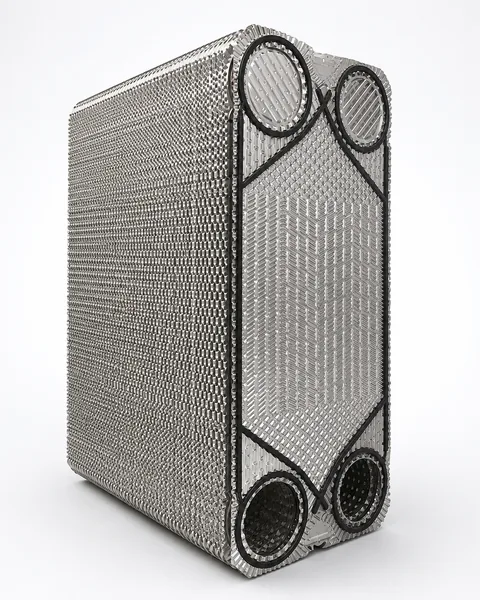
Replacement Plates
Plates outlast gaskets by a wide margin, so when they need replacing it is usually worth asking why rather...
+ Learn More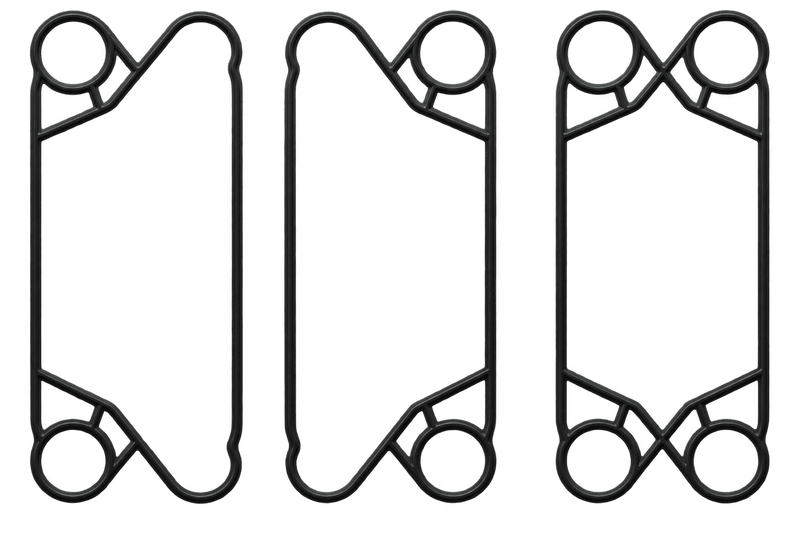
Replacement Gaskets
Gaskets are the cheapest part of a plate exchanger and the cause of most of its problems. Getting the...
+ Learn More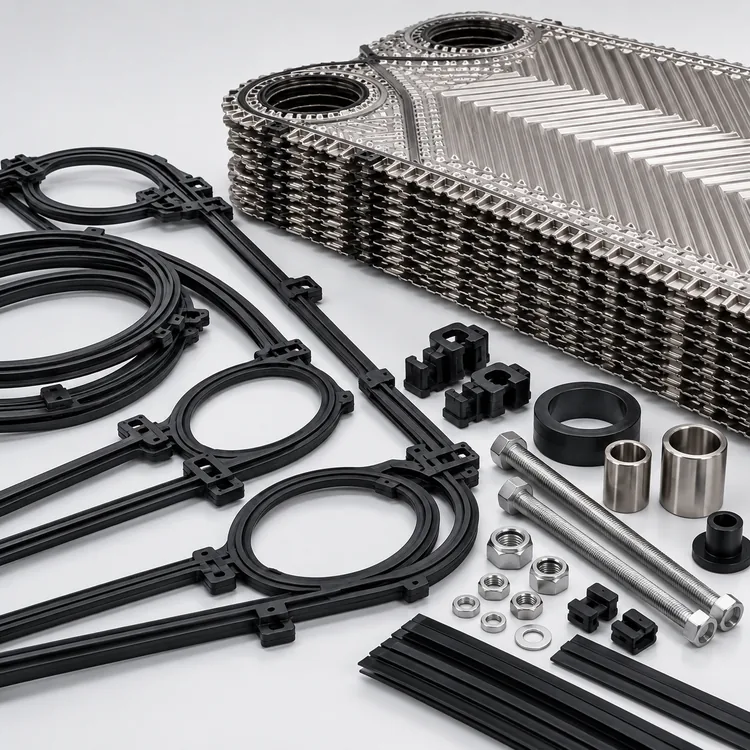
Parts & Gaskets
Genuine plates, gaskets, frames and hardware for the Mueller equipment we supply, identified from your unit rather than from a measurement.
+ Learn More